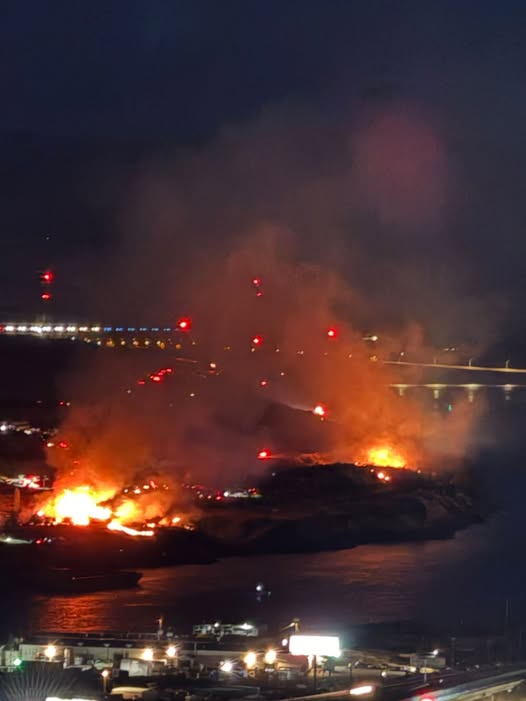
Boreal Forest Wildfires: Boreal forest wildfires continue to burn across large areas of Canada, as firefighters work to contain blazes fueled by prolonged heat, dry vegetation, and shifting winds. The boreal forest, which stretches across much of the country’s northern landscape, experiences natural fire cycles, but recent seasons have seen larger and more intense wildfires that threaten communities, wildlife, and critical infrastructure.
According to the Canadian Interagency Forest Fire Centre (CIFFC) and provincial wildfire agencies, crews remain engaged in suppression efforts using helicopters, air tankers, and ground personnel. Some fires have prompted evacuation orders for nearby communities, while dense smoke has affected air quality across parts of Canada and neighboring regions in the United States.
Experts note that while wildfire is a natural part of the boreal ecosystem—helping regenerate forests and maintain biodiversity—the increasing frequency and severity of recent fires have raised concerns about the effects of climate change, prolonged drought, and extreme weather conditions.
Officials continue to urge residents and travelers in affected areas to monitor wildfire updates, follow evacuation orders if issued, and avoid activities that could ignite new fires. Air quality advisories remain in effect in some regions due to widespread smoke.
As firefighting operations continue, authorities emphasize that conditions can change quickly. The public is encouraged to rely on official updates from provincial wildfire agencies, Environment and Climate Change Canada, and local emergency management officials for the latest information on active boreal forest wildfires and public safety measures.